Public Utility Relocation: Your Questions Answered
April 22, 2026
Public Utility Relocation to Keep Projects on Track
Nothing brings a fast-moving construction site to a grinding halt quite like an unexpected utility conflict. You start site preparation, the excavator digs in, and suddenly you hit an unmapped water main or fiber optic cable. Now you face costly delays, safety hazards, and angry stakeholders. For developers and project managers, moving existing utilities is often the most stressful part of urban development. Proper utility relocation management prevents costly delays and ensures safety for your Pacific Northwest infrastructure projects.
Pre-Construction Planning and Permits
A successful utility relocation starts long before the heavy machinery arrives. Pre-construction planning is the foundation of site work contracting. You need to know exactly what lies beneath the surface to manage budgets and secure the right permits.
We always recommend starting with advanced planning tools like GIS mapping and thorough utility surveys. Do not rely solely on old municipal blueprints, as they often lack recent updates. Instead, conduct fresh pre-construction utility assessments.
Our experienced project managers collaborate directly with utility owners and local authorities. Securing permits in the Pacific Northwest can be a lengthy process. By mapping out potential conflicts early, we submit accurate permit applications the first time. This approach keeps your project timeline intact and minimizes regulatory hurdles.
Site Preparation and Stakeholder Engagement
Once the plans are set, the next step is to prepare the site and open lines of communication. Successful utility construction requires coordinating subcontractors, city officials, and the local community.
Moving a major utility line often means temporary service interruptions. We minimize these headaches by engaging stakeholders early. We schedule complex relocations during off-peak hours and coordinate closely with utility providers. This proactive approach keeps local businesses and residents happy while allowing our site development teams to work safely. You can read more about our approach to underground infrastructure by visiting our Utilities service page.
Coordinating Subcontractors and Managing Budgets
Utility relocation involves many moving parts. Coordinating subcontractors is a massive part of keeping civil construction projects aligned with project timelines. We assign a single point of contact to manage all communications. This ensures everyone, from heavy equipment operators to specialized electricians, knows exactly what to do and when to do it.
Managing budgets is equally important. Utility conflicts can rapidly drain contingency funds. By providing detailed project estimates upfront and maintaining transparent pricing throughout the process, we protect your budget. We identify potential risks during the pre-construction phase to offer accurate forecasting and eliminate hidden costs.
Efficient Execution and Safe Installation
When the execution phase begins, efficiency and safety take center stage. Relocating infrastructure in dense urban settings requires specialized equipment and deep expertise.
Leveraging Advanced Technology
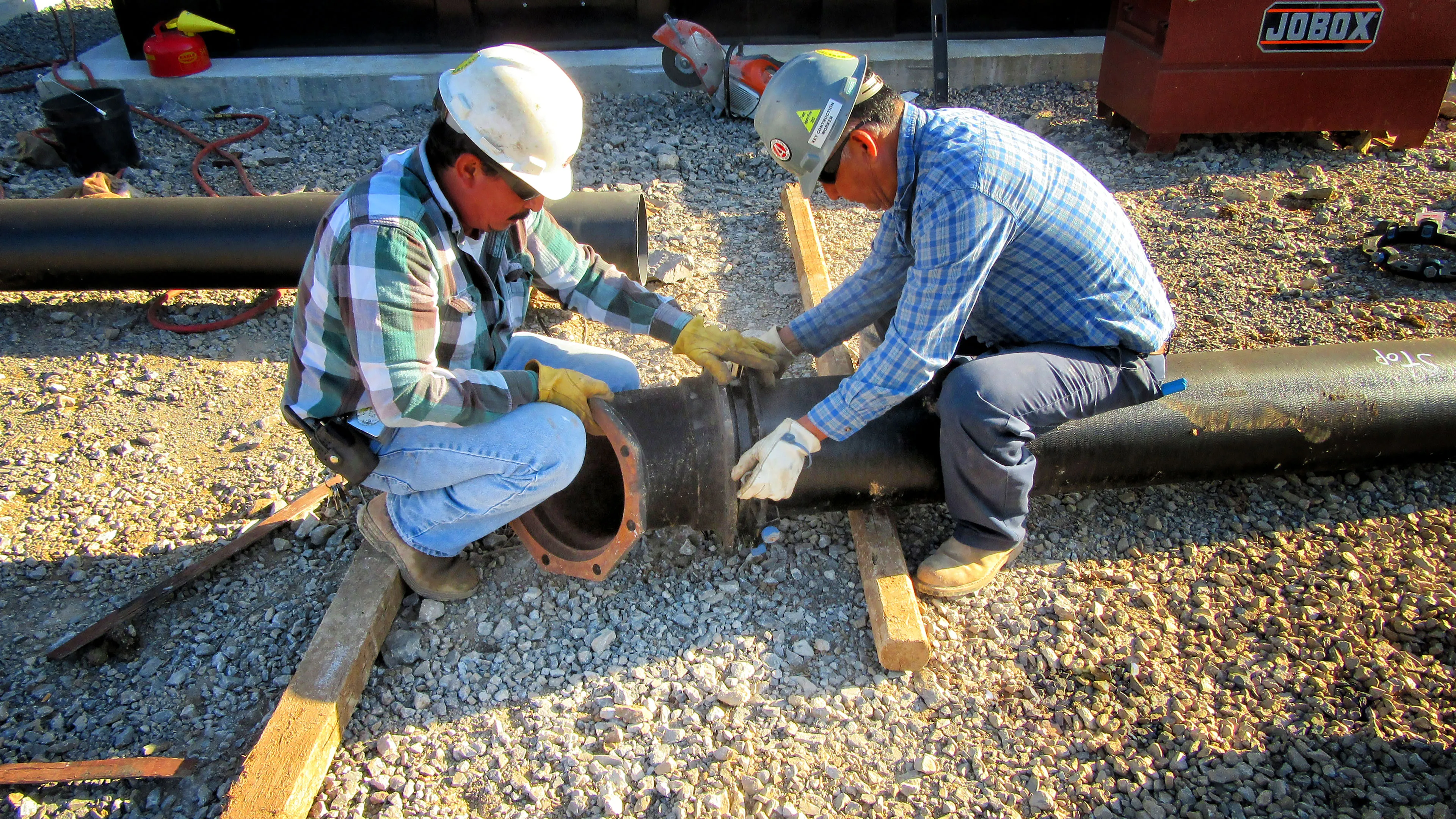
To minimize surface disruption, we often use state-of-the-art methods such as trenchless technology. This allows us to install and relocate pipes without tearing up miles of pavement. It saves time, reduces material costs, and keeps public roads open.
Overcoming Obstacles
Consider a recent road improvement project we completed right here in Oak Harbor. During initial site preparation, our crew discovered an undocumented, century-old sewer line directly in the path of the new foundation work. Because our skilled tradespeople and project managers expect the unexpected, we immediately paused excavation. We implemented our contingency plan, coordinated an emergency shut-off with the city, and safely rerouted the pipe using trenchless methods. We kept the project on budget and prevented a massive environmental hazard.
You can view our work on the Monroe Transportation project to see how we successfully handle complex infrastructure challenges and deliver durable results.
Strict Safety Protocols
Safety is our top priority throughout the construction lifecycle. Our crews undergo regular safety audits and continuous training. When dealing with high-voltage lines or high-pressure gas mains, there is absolutely no room for error. We document all safety procedures to ensure total compliance with state and federal regulations.
Foundation Work
Utility lines must be fully secured and relocated before any foundation work or structural framing begins. The stability of your entire project rests on this sequence. If you build over an active, shallow line, you risk catastrophic failures later. We expertly clear the necessary space, allowing your structural teams to pour concrete and frame buildings without hesitation.
Surface Finishes and Restoration
Once the utilities are safely underground, the site must be restored. This phase involves repairing asphalt, pouring new concrete sidewalks, and applying necessary surface finishes. Our crews handle the grading and paving, ensuring the final product looks pristine and functions perfectly for the public. We restore the area to a condition that often exceeds the original baseline.
Final Inspections and Project Handover
After we install the new lines and finish the structural work, we do not just pack up and leave. We move into the critical final inspection and handover stage.
Rigorous Testing
Every relocated utility line undergoes strict pressure testing and validation. We must confirm that the new infrastructure functions properly and complies with all local, state, and federal regulations. This testing guarantees long-term reliability for the community.
Documentation
Accurate documentation is vital. We provide complete reports, including updated schematics, so future crews know exactly where everything sits. Our commitment to clear communication and precise execution leaves our partners satisfied. As one recent municipal partner noted, "SRV Construction handled our complex utility relocation with total professionalism. Their ability to manage subcontractors and adapt to hidden site challenges kept our public works project completely on schedule."
Frequently Asked Questions
Q: What is utility relocation in construction?
Utility relocation is the process of identifying, managing, and physically moving existing underground or overhead public services. These services often include water mains, sewer lines, gas pipes, and electrical cables. Relocating them ensures they do not interfere with new building foundations or road improvements.
Q: How long does a utility relocation project take?
The timeline varies significantly based on the project scope and the type of utilities involved. Simple water line adjustments might take a few weeks. Complex relocations involving high-voltage electrical lines or natural gas mains can take several months due to stringent safety testing and permitting requirements.
Q: Who pays for utility relocation on public works projects?
Responsibility for costs depends on local franchise agreements and the municipality's specific right-of-way rules. Sometimes the utility company covers the expense, but often the project developer or the government agency funding the infrastructure project bears the cost.
Q: How do you prevent utility damage during excavation?
We prevent damage through rigorous pre-construction planning. This includes utilizing GIS mapping, conducting physical site surveys, and utilizing non-destructive digging methods. We also coordinate closely with local authorities to verify all active lines before breaking ground.
Summary
Utility relocation management does not have to be a nightmare of hidden costs and endless delays. By focusing on detailed pre-construction planning, deploying advanced installation techniques, and prioritizing safety, you can keep your infrastructure projects moving forward. From initial site preparation to the final safety inspection, a skilled general contractor makes all the difference.
Are you planning a commercial, industrial, or residential project in Washington State that requires complex utility work?