Learn About Our Metal Fabrication Service
November 10, 2022
Maximize Efficiency With Expert Metal Fabrication
Component failures and material delays can quickly derail a commercial construction timeline. When you manage high-stakes infrastructure or commercial projects, relying on precise and durable materials is non-negotiable. Metal fabrication transforms raw metal into the precise structural framework and custom components that keep your project compliant and on schedule. This guide explains the core metal fabrication processes, highlights industry applications, and outlines how to select a reliable partner in the Pacific Northwest. By understanding these fundamentals, project managers and developers can mitigate risks, control costs, and ensure superior construction quality from the ground up.
Understanding Metal Fabrication
Metal fabrication is the process of transforming raw metal materials into finished products through cutting, shaping, welding, and assembly. Professional fabricators work with various metals, including steel, aluminum, stainless steel, and specialty alloys. They use these raw materials to create everything from architectural elements to heavy industrial machinery components.
For general contractors, fabrication plays a critical role early in the project lifecycle. During pre-construction planning, accurate shop drawings and material selections help secure necessary building permits. As crews move into site preparation and foundation work, fabricated rebar and structural supports must arrive on time to prevent costly delays.
Modern fabrication shops combine traditional craftsmanship with advanced technology. Computer-controlled cutting equipment ensures accuracy, while skilled welders and assemblers bring components together according to exact specifications. This seamless coordination ensures safety throughout the construction lifecycle while keeping budgets intact.
Core Metal Fabrication Processes
The metal fabrication lifecycle involves three primary stages. Each stage requires specific technical expertise and rigorous safety protocols.
Cutting and Shaping
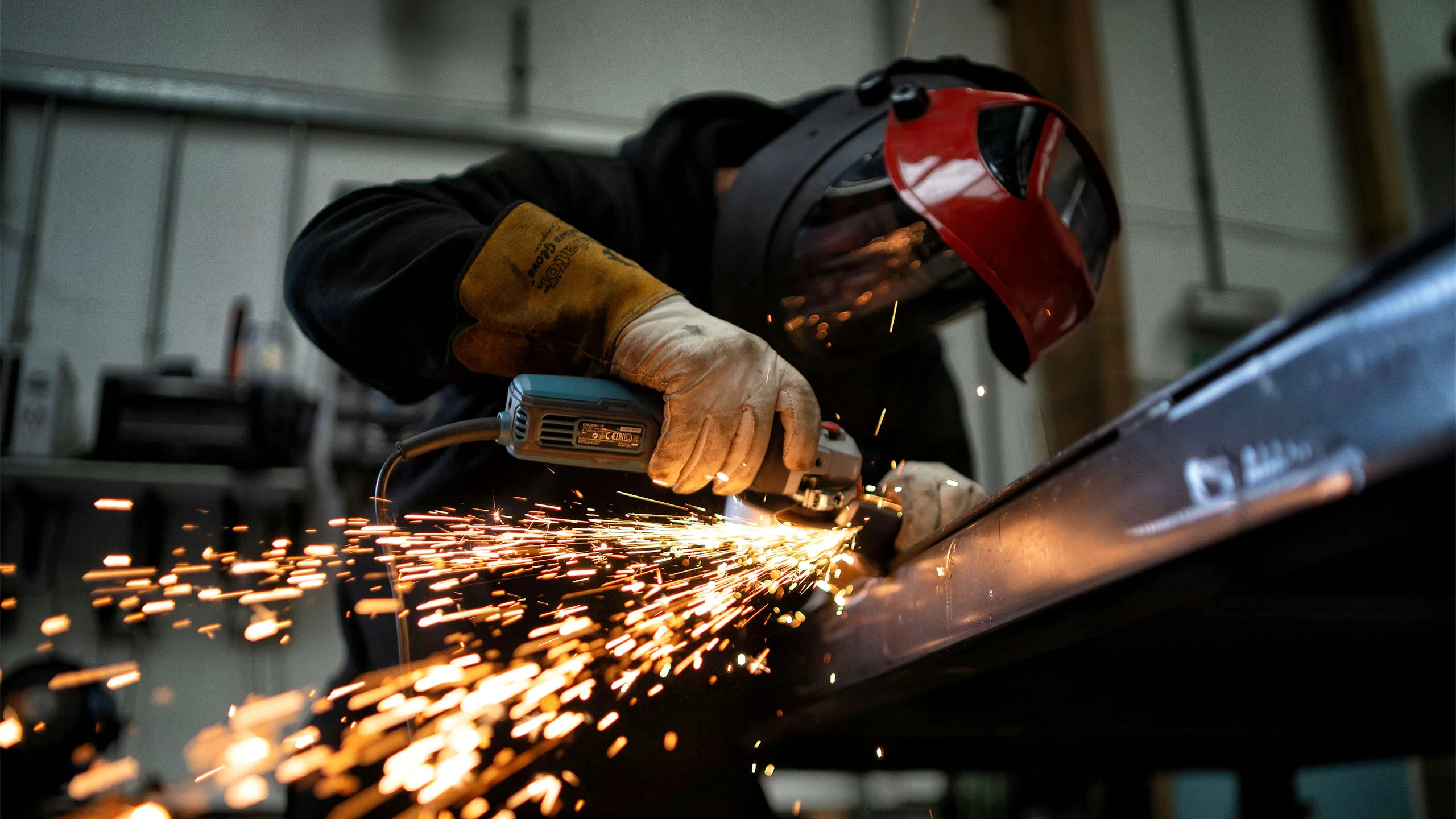
Fabricators employ multiple cutting techniques depending on material type, material thickness, and overall precision requirements. Plasma cutting works well for thick steel plates, while laser cutting provides exceptional precision for thinner materials. Water jet cutting handles materials that cannot be safely cut with heat-based methods. Shaping processes transform flat metal sheets into three-dimensional forms. Press brakes create precise bends and angles, while roll forming produces curved sections. These processes require careful calculation of bend allowances and material properties to achieve accurate final dimensions.
Welding and Assembly
Welding joins separate metal pieces into unified, durable structures. Different welding techniques serve specific applications for construction projects. MIG welding offers speed and versatility, while TIG welding provides superior control for precision work. Stick welding remains highly valuable for outdoor and field applications during structural framing. Assembly combines individual components into complete products.
This stage requires careful attention to fit-up, alignment, and sequencing. Professional fabricators use jigs and fixtures to maintain accuracy during assembly, ensuring consistent quality across multiple structural units.
Finishing and Quality Control
Surface finishing protects fabricated products from corrosion and enhances their visual appearance. Options include painting, powder coating, galvanizing, and specialty coatings. The chosen finish depends on environmental exposure, aesthetic requirements, and overall project budget considerations.
Quality control verifies that finished products meet all technical specifications. Dimensional inspections confirm accuracy, while visual examinations check weld quality and surface finish. Many fabrication projects require third-party inspection and certification to meet building codes and industry standards.
Types of Metal Fabrication Services
Different construction phases require different types of fabrication capabilities. Understanding these categories helps project managers source the right services.
Structural Fabrication
Structural fabricators create the framework for buildings, bridges, and industrial facilities. This work requires immense expertise in reading structural drawings, understanding load requirements, and meeting strict building code specifications. Projects often involve heavy steel beams, steel columns, and connection hardware.
Quality structural fabrication ensures building safety and longevity. Fabricators must maintain precise tolerances for proper field assembly while meeting stringent welding and inspection requirements. Many structural projects require certified welding procedures and highly qualified welding personnel.
Sheet Metal Fabrication
Sheet metal work produces components from thin metal sheets, typically ranging from 0.5 to 6 millimeters thick. Standard products include HVAC ductwork, electrical enclosures, support brackets, and architectural elements. This specialization requires different equipment and techniques compared to heavy structural work.
Precision sheet metal fabrication often involves complex forming operations and tight dimensional tolerances. Advanced CNC punching, laser cutting, and precision bending equipment enable fabricators to produce intricate shapes. This technology maintains consistent quality across large production runs.
Custom Fabrication
Custom fabrication addresses unique project requirements that standard off-the-shelf products cannot meet. This work demands strong problem-solving skills, engineering support, and flexible manufacturing capabilities. Custom fabricators often collaborate closely with property developers and engineers throughout the development process.
Projects may range from unique architectural features to small production runs of specialized equipment. Success requires a deep understanding of customer requirements, the ability to propose cost-effective solutions, and the delivery of products that perform reliably in their intended applications.
Choosing the Right Metal Fabrication Partner
Selecting the right fabrication partner early in your project planning process ensures optimal results. SRV Construction, based in Oak Harbor, Washington, specializes in heavy civil construction and site development across the Pacific Northwest. We understand exactly what it takes to keep your supply chain moving. Read about our successful infrastructure work at the [Skagit Terminal] project to see our commitment to quality and on-time delivery in action.
Capabilities and Equipment
Evaluate potential fabricators based on their equipment capabilities and overall production capacity. Modern fabrication shops invest in CNC cutting equipment, advanced welding systems, and quality control instruments. The right equipment mix depends on your specific project requirements and safety standards.
Consider both primary fabrication capabilities and secondary support services. Some shops offer in-house finishing, machining, and assembly services. Integrated capabilities simplify project management and improve final delivery schedules.
Quality and Certifications
Professional fabricators maintain strict quality systems that ensure consistent, reliable results. Look for ISO 9001 certification, AWS welding certifications, and industry-specific qualifications. These certifications demonstrate a strong commitment to quality and mitigate liability concerns for general contractors.
Review past project examples and customer references before signing a contract. Experienced fabricators provide case studies that show similar work and demonstrate their problem-solving capabilities. Site visits allow you to observe quality standards and manufacturing processes firsthand.
Project Management
Successful fabrication projects require clear communication and transparent project management. Established fabricators provide regular progress updates, maintain detailed project documentation, and respond quickly to questions. You should always have a single point of contact to ensure smooth coordination.
Consider the fabricator's engineering support capabilities when planning complex builds. Complex projects often require shop drawing development, design optimization, and technical troubleshooting. Fabricators with in-house engineering resources provide valuable support throughout the entire project lifecycle.
Frequent Questions
Q: What is metal fabrication?
Metal fabrication is the manufacturing process of cutting, bending, welding, and assembling raw metal materials to create structural frameworks, custom parts, and finished industrial components.
Q: How does custom metal fabrication benefit construction projects?
Custom metal fabrication provides tailored solutions for unique architectural designs or complex structural requirements, ensuring materials fit precisely, comply with regulations, and support efficient on-site installation.
Q: What certifications should a metal fabricator hold?
A reliable metal fabricator should hold recognized industry certifications, such as AWS welding certifications and ISO 9001. These credentials verify that they adhere to strict quality control and safety standards.
Q: Does SRV Construction provide metal fabrication services?
Yes. SRV Construction offers professional Metal Fabrication as part of our comprehensive for-hire services, supporting commercial and industrial infrastructure projects throughout Washington State and the Pacific Northwest.
Summary
Metal fabrication transforms raw materials into the essential components needed for commercial construction and infrastructure projects. By understanding the processes of cutting, welding, and finishing, general contractors can make informed decisions that ensure safety, compliance, and structural durability. Selecting a qualified fabrication partner guarantees that materials meet strict building codes and arrive on schedule, minimizing costly project delays. Partnering with proven experts ensures your construction projects finish on time and within budget. Contact us for a project consultation.