
Earthwork: Building Strong Foundations
November 10, 2022
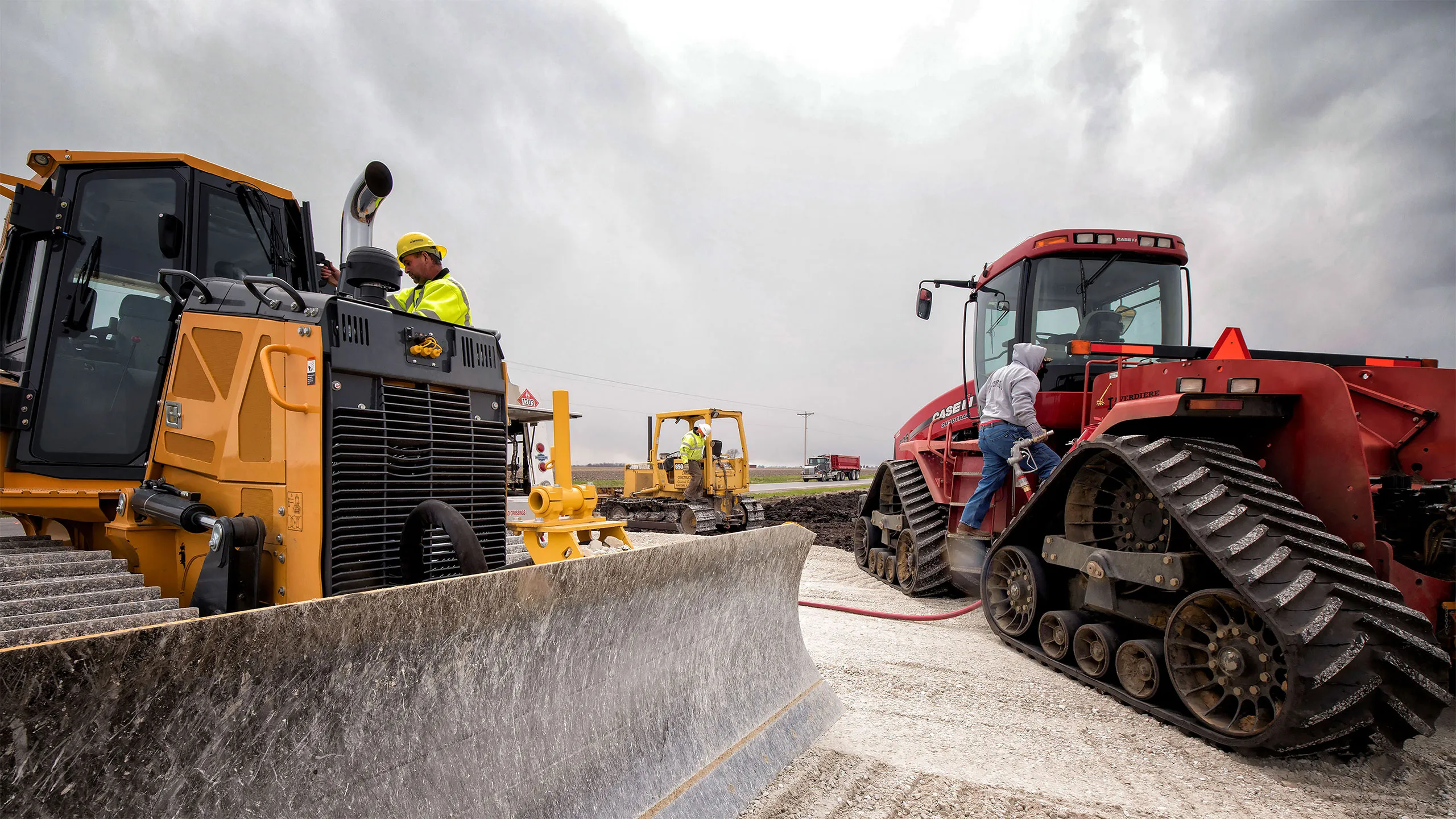
Earthwork: Building Strong Foundations
Unstable soil and poor site drainage can easily derail complex commercial construction projects before they even begin. Every successful infrastructure development requires a meticulously prepared site to prevent costly delays and safety hazards. At SRV Construction, we specialize in transforming raw land into stable, construction-ready sites across Washington State. This guide breaks down the essential stages of earthwork construction and explains how professional site preparation protects your investment. By understanding these critical steps, project managers and developers can ensure their next build remains on time, within budget, and fully compliant with local regulations.
What Is Earthwork and Site Development?
Earthwork construction involves modifying natural terrain to meet the specific needs of a commercial or government building project. This comprehensive process includes excavation, grading, soil stabilization, and stormwater management to create stable foundations and proper drainage systems.
At SRV Construction, we combine advanced equipment, deep knowledge of soil mechanics, and local expertise to deliver results that meet stringent engineering specifications and regulatory requirements. We manage projects of all sizes to ensure that every site is completely ready for structural framing and foundation work. By using safe, efficient methods, our team ensures your project begins on solid ground.
The Six Essential Stages of Earthwork Construction
Preparing a site for vertical construction involves several sequential and highly technical steps. Our proven track record relies on executing each of these six phases with precision.
Site Preparation and Land Clearing
The construction process begins with a detailed site assessment. Our project managers evaluate the topography, soil composition, and existing drainage patterns to identify potential challenges. We then develop tailored solutions to address these specific site conditions. Land clearing removes trees, brush, and surface debris while preserving valuable topsoil for later use. We prioritize environmentally friendly methods to minimize ecological impact and ensure compliance with environmental regulations.
Precision Excavation
Excavation represents one of the most technically demanding phases of site development. Using GPS-guided equipment, our certified experts remove soil and rock to create foundations, utility trenches, and other below-grade features. Our skilled operators ensure precise depths and dimensions while strictly adhering to documented safety conditions. This precision helps prevent costly over-excavation and keeps the project timeline firmly on track.
Strategic Grading for Optimal Drainage
Grading shapes the land to direct water away from future structures and prevent soil erosion. By understanding local climate patterns and soil permeability across the Pacific Northwest, we create slopes and elevations that protect your investment from water-related damage. Proper grading ensures your site meets all municipal drainage requirements and prevents long-term liability issues.
Soil Stabilization Solutions
To enhance the soil’s load-bearing capacity, we use advanced techniques such as mechanical compaction, chemical stabilizers, and geotextile reinforcement. Proper soil stabilization prevents uneven settlement, reduces future maintenance costs, and ensures long-term structural integrity. This step is critical for heavy civil construction and highway improvements that must endure significant daily wear.
Comprehensive Stormwater Management
Effective stormwater management protects your completed project and the surrounding environment. We design and install robust systems — including retention ponds, culverts, and dedicated drainage channels — to prevent flooding and erosion. These installations support sustainable development practices and ensure successful post-project evaluations from local government agencies.
Final Grading and Site Restoration
The final phase guarantees that all site elevations meet the exact project specifications and prepares the ground for construction or permanent landscaping. This includes topsoil replacement, final erosion control measures, and site cleanup. We leave the area highly functional and visually appealing, handing over a flawless canvas to the structural building teams.
Why Quality Earthwork Construction Matters
Cutting corners during the earthwork phase can lead to catastrophic structural failures down the line. Partnering with reliable construction experts mitigates these risks entirely.
Preventing Soil Erosion and Instability
Poor earthwork practices lead to severe soil loss, undermining foundations and creating unacceptable safety hazards. Our rigorous erosion control techniques, such as proper grading and retaining wall installations, protect natural soil resources and maintain absolute site stability.
Eliminating Water Accumulation Problems
Improper grading causes water to pool around structures, leading to foundation decay and severe moisture issues. Our engineered drainage solutions safely direct water away from your buildings. This proactive approach safeguards your financial investment and significantly lowers the cost of future property maintenance.
Reducing Landslide and Settlement Risks
Inadequate initial soil preparation increases the risk of landslides and foundational settlement. We address these critical risks with proper slope design, heavy-duty soil stabilization, and retaining walls where necessary. By focusing on durability, we provide long-lasting results that property developers can trust.
Ensuring Regulatory Compliance
Commercial and government construction requires strict adherence to local building codes. We stay up to date with all regulations and industry standards, ensuring necessary permits are obtained and compliance requirements are met. Our transparent process prevents costly legal delays and supports responsible, community-focused development.
Real Project Example: Arlington Airport
Recently, SRV Construction completed a major infrastructure improvement project at the Arlington Airport. The site presented significant challenges with unstable soil composition and a rigid schedule to minimize operational downtime.
Our team implemented rapid soil-stabilization techniques and engineered a comprehensive stormwater management system tailored to the area's specific environmental demands. We maintained clear communication with the project stakeholders throughout the process. As a result, we delivered a highly durable, safe, and compliant site ahead of schedule, completely satisfying the rigorous safety protocols required by aviation authorities.
Frequently Asked Questions
Q: What is earthwork in construction?
Earthwork involves moving, removing, or adding soil and rock to prepare a site for a construction project. It establishes a stable and level base for buildings, roads, and utilities.
Q: Why is soil stabilization important?
Soil stabilization improves the physical properties of the ground. It increases the load-bearing capacity and prevents the foundation from settling unevenly over time.
Q: How does grading affect site drainage?
Grading alters the slope of the land to direct surface water away from buildings deliberately. This prevents water pooling, foundation erosion, and costly structural damage.
Q: Do I need permits for earthwork?
Yes. Most commercial and government earthwork projects require specific local and state permits to ensure environmental compliance and safety. A qualified general contractor handles this permitting process for you.
Summary
Professional earthwork construction forms the critical foundation for any successful commercial or government development. By executing precise site preparation, excavation, grading, and soil stabilization, project managers mitigate physical risks and ensure strict regulatory compliance. SRV Construction provides the certified expertise and reliable transparency needed to keep your complex infrastructure projects on track, completely safe, and within your specified budget.