
Delivering Solutions for Public Utilities
February 24, 2026
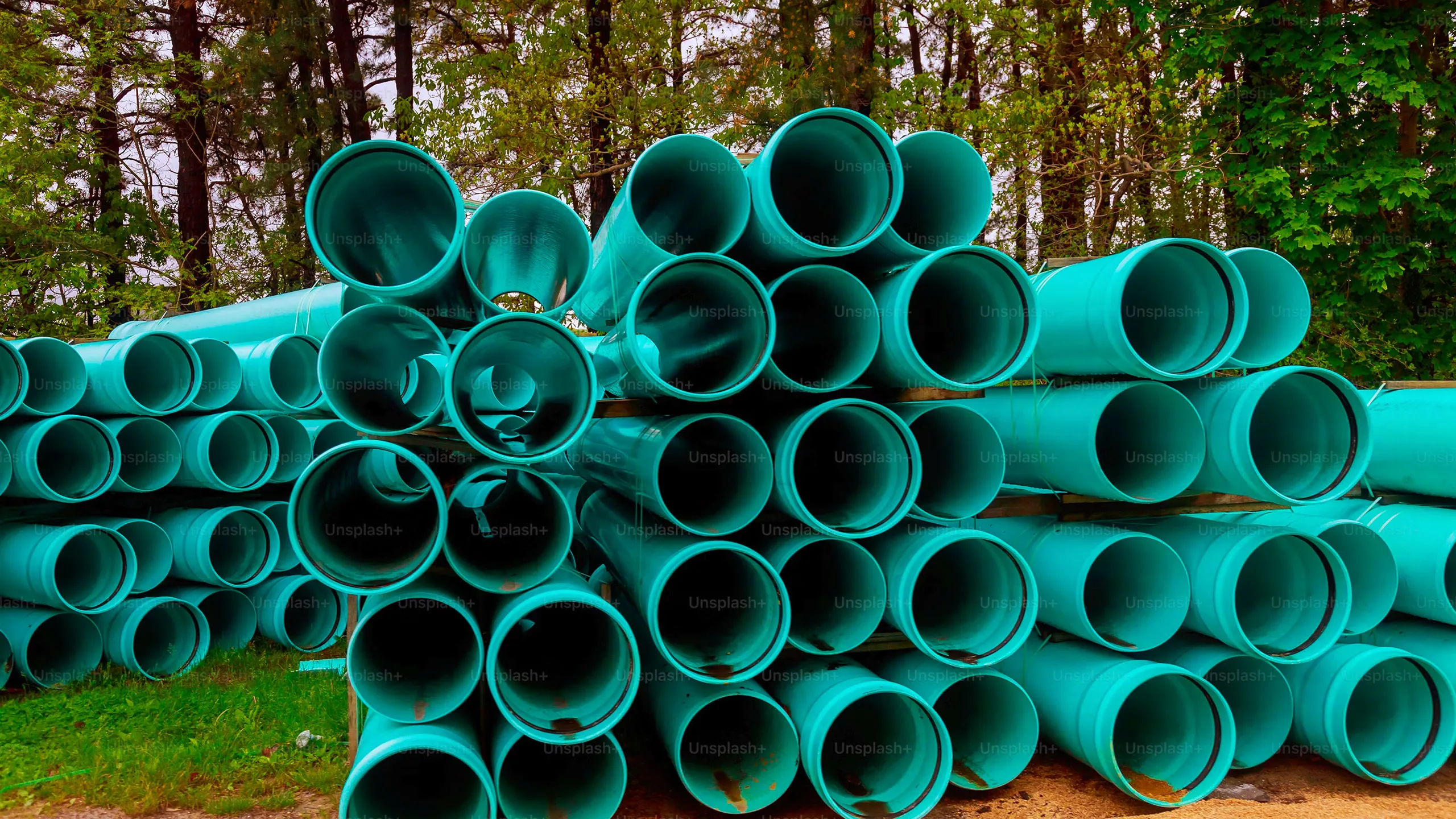
Building Public Utility Systems
Aging infrastructure and regulatory compliance issues often threaten the timeline and budget of major development projects. Without the right general contractor, property developers and municipalities face costly delays and severe safety risks. Public utility construction encompasses the planning, installation, and maintenance of essential systems that serve entire communities. These projects require specialized expertise, advanced equipment, and strict adherence to safety protocols. This guide explains the scope of public utility construction and how partnering with experienced professionals ensures your next infrastructure project stays on track, compliant, and within budget.
What is public utility construction
Public utility construction involves comprehensive infrastructure development that spans multiple essential services. These projects require careful coordination between various stakeholders, including utility companies, government agencies, and construction teams.
Water system infrastructure
Water utility construction includes installing and maintaining water mains, service lines, and distribution networks. Contractors handle everything from laying underground pipes to installing fire hydrants and water meters. These systems must meet strict quality standards to ensure the delivery of safe drinking water to residential, commercial, and industrial properties.
The process involves excavation, pipe installation, pressure testing, and connection to existing water networks. Contractors must also consider factors like pipe materials, water pressure requirements, and system capacity to accommodate future growth.
Electrical utility systems
Electrical infrastructure construction covers both underground and overhead power systems. This includes installing power lines, transformers, substations, and distribution networks that deliver electricity to end users.
Underground electrical work requires specialized trenching and conduit installation. Overhead systems involve pole installation and line stringing. Contractors must ensure all electrical work meets regulatory requirements and local safety standards.
Natural gas distribution
Gas utility construction involves installing pipelines, distribution networks, and service connections for natural gas delivery. This work requires specialized training and certification due to the inherent safety risks associated with gas systems.
Contractors handle pipe installation, pressure testing, leak-detection systems, and connections to existing gas networks. Safety protocols are paramount in gas utility work. Teams maintain strict requirements for excavation procedures and system testing to protect the surrounding community.
Telecommunications infrastructure
Modern communities require a robust telecommunications infrastructure to support internet, phone, and cable services. This includes installing fiber optic cables, conduit systems, and connection points throughout service areas.
Contractors coordinate with telecommunications providers to ensure proper routing, adequate capacity, and future expansion capabilities. This work often involves coordination with other utility installations to maximize efficiency and minimize disruption.
The construction process for public utilities
Public utility construction projects follow a structured approach that ensures safety, compliance, and efficiency throughout the installation process. Expert general contractors manage every detail to keep the project moving smoothly.
Pre-construction planning and design
Every utility project begins with comprehensive pre-construction planning and design work. Engineers assess the service area, determine capacity requirements, and create detailed installation plans that comply with local regulations and utility standards.
This phase includes managing budgets, surveying existing infrastructure, securing permits, and coordinating subcontractors. Proper planning minimizes project delays and ensures successful completion within budget and timeline constraints.
Expert advice: Always secure necessary permits and finalize coordination with existing utility companies before breaking ground. This proactive step prevents costly redesigns and dangerous utility strikes during excavation.
Site preparation and foundation work
Before any construction begins, contractors conduct thorough site preparation. This includes utility location services to identify existing underground infrastructure. This critical step prevents damage to existing systems and ensures worker safety during excavation.
Once the site is clear, teams handle any necessary foundation work for above-ground structures, such as pump stations or transformers. Safety protocols are established for the entire duration of the project. These include traffic control measures, excavation safety procedures, and emergency response plans.
Installation, finishes, and final inspections
The installation phase involves precision work to ensure proper system functionality and longevity. Contractors use specialized equipment for trenching, pipe installation, structural framing, and system connections.
Comprehensive testing follows the installation to verify system integrity, pressure ratings, and proper functionality. This includes pressure testing of water and gas systems, continuity testing of electrical systems, and signal testing of telecommunications infrastructure. Finally, contractors manage site finishes and conduct final inspections to facilitate a seamless project handover.
Maintenance and repair services
Public utility contractors provide ongoing maintenance and emergency repair services to ensure continuous system operation and reliability. Regular maintenance prevents system failures and extends the lifespan of infrastructure. This includes inspecting pipelines, testing safety systems, and replacing aging components before they fail. Contractors develop maintenance schedules based on system age, usage patterns, and manufacturer recommendations. Preventive maintenance reduces emergency repair costs and minimizes service disruptions for end users.
Emergency response services
Utility emergencies require an immediate response to restore services and ensure public safety. Contractors maintain emergency response capabilities with specialized equipment and trained personnel available around the clock.
Emergency services include leak repairs, power outages, service line breaks, and system failures. Quick response times minimize service disruptions and protect public health and safety.
Safety and compliance standards
Public utility construction operates under strict safety and regulatory requirements that protect workers and the public while ensuring system reliability.
Regulatory compliance
Utility construction must comply with federal, state, and local regulations governing infrastructure installation and maintenance. This includes environmental protection requirements, safety standards, and quality specifications.
Contractors maintain current knowledge of regulatory changes and ensure all work meets or exceeds applicable standards. Regular inspections and documentation verify compliance throughout project completion.
Worker safety protocols
Safety remains the top priority in utility construction due to inherent risks associated with excavation, electrical work, and hazardous materials. Contractors implement comprehensive safety programs that include regular training, proper equipment use, and emergency procedures.
Safety protocols cover excavation safety, confined space entry, electrical safety, and hazardous material handling. Regular safety meetings and ongoing training ensure all workers understand and follow established procedures.
Partnering with SRV Construction
SRV Construction brings extensive experience and proven expertise to public utility construction projects. Based in Oak Harbor, WA, we specialize in site development, infrastructure, and heavy civil construction. We proudly serve commercial, industrial, and residential clients primarily in Washington State and the Pacific Northwest.
Our experienced team understands the complexities of utility construction and maintains strict adherence to safety and quality standards. We work closely with clients to ensure projects meet specifications, timelines, and budget requirements while minimizing disruptions to existing services.
We have completed complex public utility projects, such as the Marysville LID project, demonstrating our ability to overcome significant infrastructure challenges. Our comprehensive approach includes project planning, execution, and ongoing support to ensure infrastructure reliability and performance.
If you need a reliable partner for your next project, explore our comprehensive Utilities services to see how we can help.
Frequently asked questions
Q: What is public utility construction?
Public utility construction involves the planning, installation, and maintenance of essential infrastructure. This includes water mains, sewer lines, electrical grids, natural gas pipelines, and telecommunications networks that serve communities.
Q: Why is safety so important in utility work?
Utility construction involves high-risk activities, such as deep excavation, operating heavy equipment, and working near live electrical or gas lines. Strict safety protocols prevent catastrophic accidents, protect workers, and keep the surrounding public safe.
Q: Do you manage the permitting process?
Yes. We handle pre-construction planning — including securing all necessary local, state, and federal permits — to ensure your project remains fully compliant with regulatory standards.
Q: What areas does SRV Construction serve?
We are headquartered in Oak Harbor, WA, and provide heavy civil construction and public utility services throughout Washington State and the Pacific Northwest.
Summary
Public utility construction demands specialized expertise, precise planning, and an unwavering focus on safety. High-quality infrastructure supports community growth and guarantees reliable service delivery. Partnering with an experienced contractor ensures your project meets strict regulatory requirements and stays within budget. SRV Construction provides the transparency, technical skills, and equipment necessary to build durable utility systems. We help commercial developers and government agencies overcome complex infrastructure challenges.