
Building Better Roads In Your Community
February 24, 2026
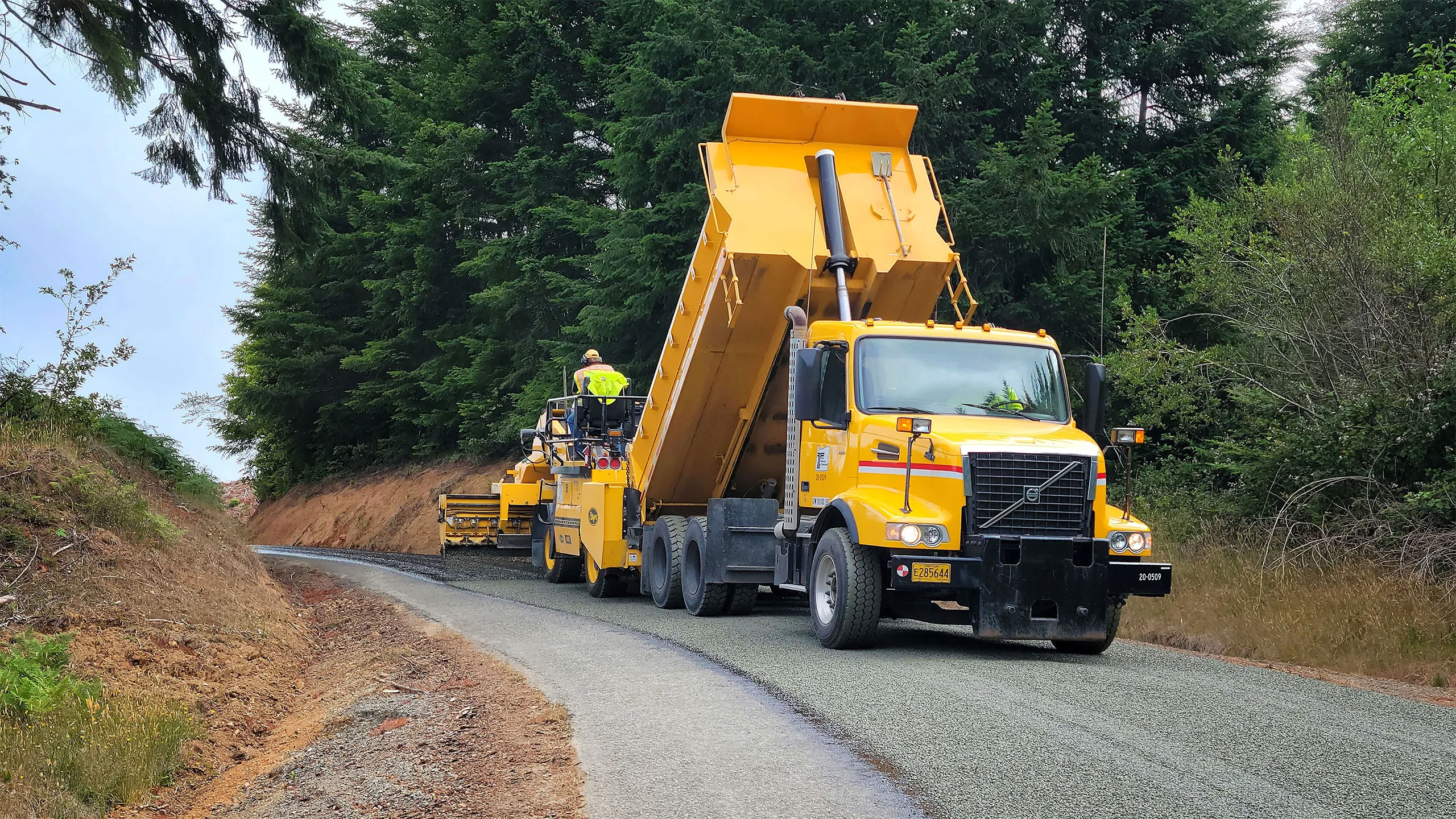
Building Better Roads: The SRV Construction Advantage
Unexpected delays and safety hazards often derail major public infrastructure projects. Poor planning leads to budget overruns and frustrated communities. Road work construction requires a strategic approach to maintain traffic flow and ensure long-term durability. At SRV Construction, we specialize in heavy civil construction across Washington State. We help project managers and government agencies navigate complex regulatory requirements and environmental concerns. Let us explore the key stages and modern techniques that make our road improvement projects successful.
Navigating pre-construction planning
Unlike other commercial builds, road work often takes place in active environments. Traffic flow must remain steady to minimize public disruption. We prioritize meticulous planning and coordination to ensure public safety and operational efficiency.
Our process begins with a thorough site assessment. We identify immediate challenges like traffic patterns, environmental impacts, and community needs. Our team collaborates with local government agencies, utility companies, and traffic management authorities. This teamwork ensures smooth project execution and aligns all stakeholders before ground is broken.
Site preparation and foundation work
Once planning concludes, we move into site preparation and earthmoving. Our crews tackle varying soil conditions and integrate new roads with existing infrastructure. We use cutting-edge technology to maintain tight schedules and strict budgets.
For example, we leverage GPS-guided machinery and advanced surveying tools. These tools ensure precision and quality during the foundation phase. They help us deliver roadways that meet the highest standards of durability and functionality. If you need dedicated expertise for these phases, explore our Streets/Highways construction services.
Designing innovative drainage solutions
Effective drainage is critical to road durability and overall safety. Poor drainage can lead to rapid road deterioration and severe safety risks for motorists. We excel in designing and implementing advanced drainage systems.
Using state-of-the-art technologies, we assess existing drainage conditions to develop comprehensive stormwater management solutions. Our designs incorporate culverts, ditches, and retention basins. These elements channel water away from road surfaces to reduce the risk of flooding and erosion.
Installation and sustainable finishes
As environmental concerns grow, we remain committed to sustainable road work practices. Our goal is to reduce our carbon footprint while maximizing the longevity of our roadways.
Our approach includes the following sustainable practices:
• Using recycled materials in asphalt mixtures
• Implementing permeable paving solutions
• Improving localized stormwater management
• Protecting surrounding natural ecosystems
By designing robust systems that protect road integrity and local environments, we ensure our projects contribute to a greener future.
Maintaining strict safety protocols
Safety is at the core of everything we do. Road work construction involves dynamic environments, heavy machinery, and significant risks. We go above and beyond industry standards to protect our workers, the public, and the surrounding environment.
We conduct regular safety audits, risk assessments, and comprehensive site inspections. Our team receives ongoing training in best practices for construction site safety. We also utilize innovative safety technologies — such as traffic management systems and real-time monitoring — to enhance safety during every phase of construction.
Final inspections and project handover
The construction industry is constantly evolving. We stay ahead by embracing adaptability and maintaining strong relationships with local stakeholders. This approach keeps us informed about changing regulations and emerging technologies.
During the final inspection phase, we verify that every inch of pavement meets strict compliance standards. We then facilitate a smooth handover process. We have successfully applied this rigorous methodology to major infrastructure efforts, such as our work on the I-5 Freeway Projects. Our team consistently overcomes logistical obstacles to deliver lasting results ahead of schedule.
Frequently asked questions
Q: How do you handle traffic disruptions during road construction?
We collaborate closely with local authorities to create detailed traffic management plans. Our use of real-time monitoring and intelligent transportation systems helps minimize delays and maintain safe traffic flow.|
Q: What sustainable materials do you use in road building?
We regularly incorporate recycled materials into our asphalt mixtures. We also use permeable paving options to assist with stormwater management and reduce environmental impact.
Q: How do you ensure compliance with state and federal regulations?
Our project managers maintain deep knowledge of local regulations and safety standards. We coordinate directly with government agencies and conduct regular site audits to ensure full compliance.
Q: What safety measures protect workers and the public?
We implement rigorous safety protocols, including routine risk assessments and mandatory ongoing training. We also deploy advanced traffic management systems to secure active work zones.
Summary
Road work construction is a specialized field that demands exact planning, strict safety awareness, and sustainable execution. From initial site assessments to final inspections, careful coordination prevents delays and budget overruns. We bring nearly three decades of experience to every project to deliver exceptional infrastructure solutions across Washington State. Our commitment to quality, safety, and innovation makes us a trusted partner for commercial and government projects.